Finnish-inspired Primary Years · up to Grade VI
Primary Years at Narayana Vidyalayam Global School
Building strong foundations for learning and life
As children progress into the Primary Years, they deepen their understanding, strengthen their thinking skills and grow into increasingly independent learners. Our educators create supportive and engaging learning environments where children build strong academic foundations while developing their individual strengths, collaboration and ability to take ownership of their learning.
Learning is thoughtfully structured and guided by teachers who encourage children to question, explore, think critically and actively participate. Inspired by Finnish educational principles and thoughtfully adapted to the Indian context, our approach combines meaningful learning experiences with academic development while respecting and celebrating local culture and traditions.
Our Primary motto
Better pedagogy, better learning.
Primary Years
How learning works in the Primary Years
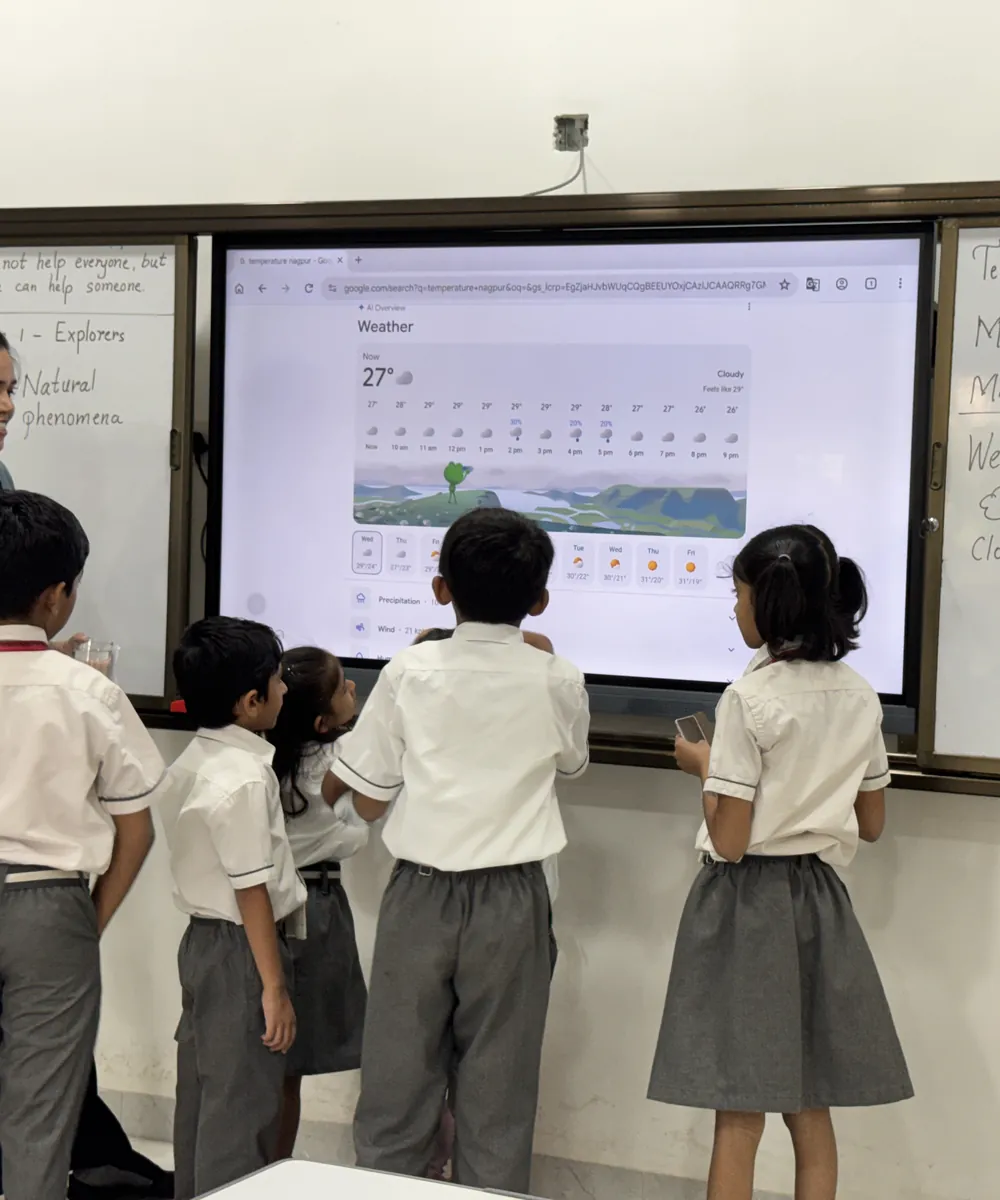
Our Primary Years approach combines structured teaching, active participation and meaningful experiences to help children develop strong academic foundations and essential skills for life.

Learner-centred learning
Educators guide learning through clear goals, well-planned lessons and constructive feedback. Students are encouraged to ask questions, express ideas, think independently and take an active role in their learning.

Active, hands-on learning
Students explore concepts, apply their knowledge and solve problems through practical activities, experiments, projects and collaborative experiences.
Competence development
Alongside academic knowledge, students develop essential competencies such as critical thinking, communication, collaboration, creativity and self-management.

A positive learning environment
We create supportive classrooms where students feel safe to express themselves, take on challenges and learn from mistakes. Effort is valued, confidence is nurtured and every child is encouraged to progress.
What students learn
Mathematics, English and Environmental Studies
In the Primary Years, students build strong foundations in Mathematics, English and Environmental Studies through research-informed learning materials developed by educational experts in Finland. These resources encourage conceptual understanding, structured learning, critical thinking and the application of knowledge.
Alongside these core subjects, students engage in additional subjects and activities aligned with the Indian curriculum, local requirements and the school’s distinctive strengths and focus areas.
Developing key competences
Skills built into everyday lessons
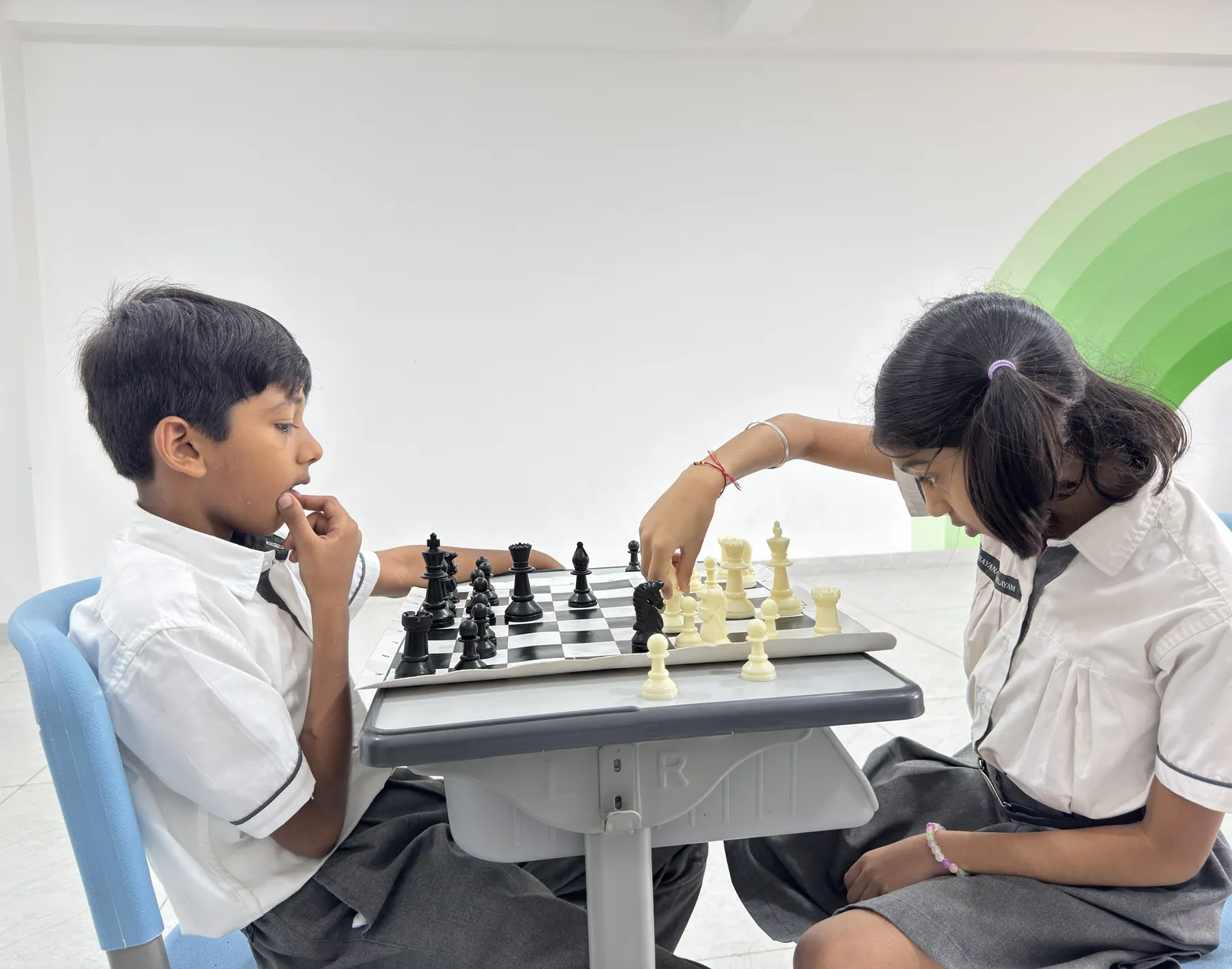
Alongside academic knowledge, students develop essential competencies that are integrated into everyday teaching and learning. These competencies help children apply what they learn, work collaboratively, make informed decisions and approach new challenges with confidence.
Thinking and learning to learn
Developing curiosity, critical thinking, reflection, creativity and problem-solving abilities.
Communication and cultural competence
Expressing ideas confidently, communicating effectively and respecting diverse cultures and perspectives.
Self-management and wellbeing
Taking responsibility, managing tasks, building resilience and developing healthy habits.
Multiliteracy and digital competence
Understanding and interpreting information across texts, media and digital platforms while using technology safely and responsibly.
Working life and teamwork skills
Building collaboration, initiative, creativity and problem-solving skills through meaningful, real-world experiences.
Participation and sustainability
Developing social responsibility, active citizenship and awareness of community and environmental sustainability.
How students learn
Many ways to learn, each with a purpose
In our Primary program, teachers thoughtfully use a variety of teaching approaches to make learning meaningful and engaging. Through discussions, hands-on activities, collaborative tasks and real-world applications, students develop conceptual understanding, practise skills and become confident, active learners.
Explicit teaching and modelling
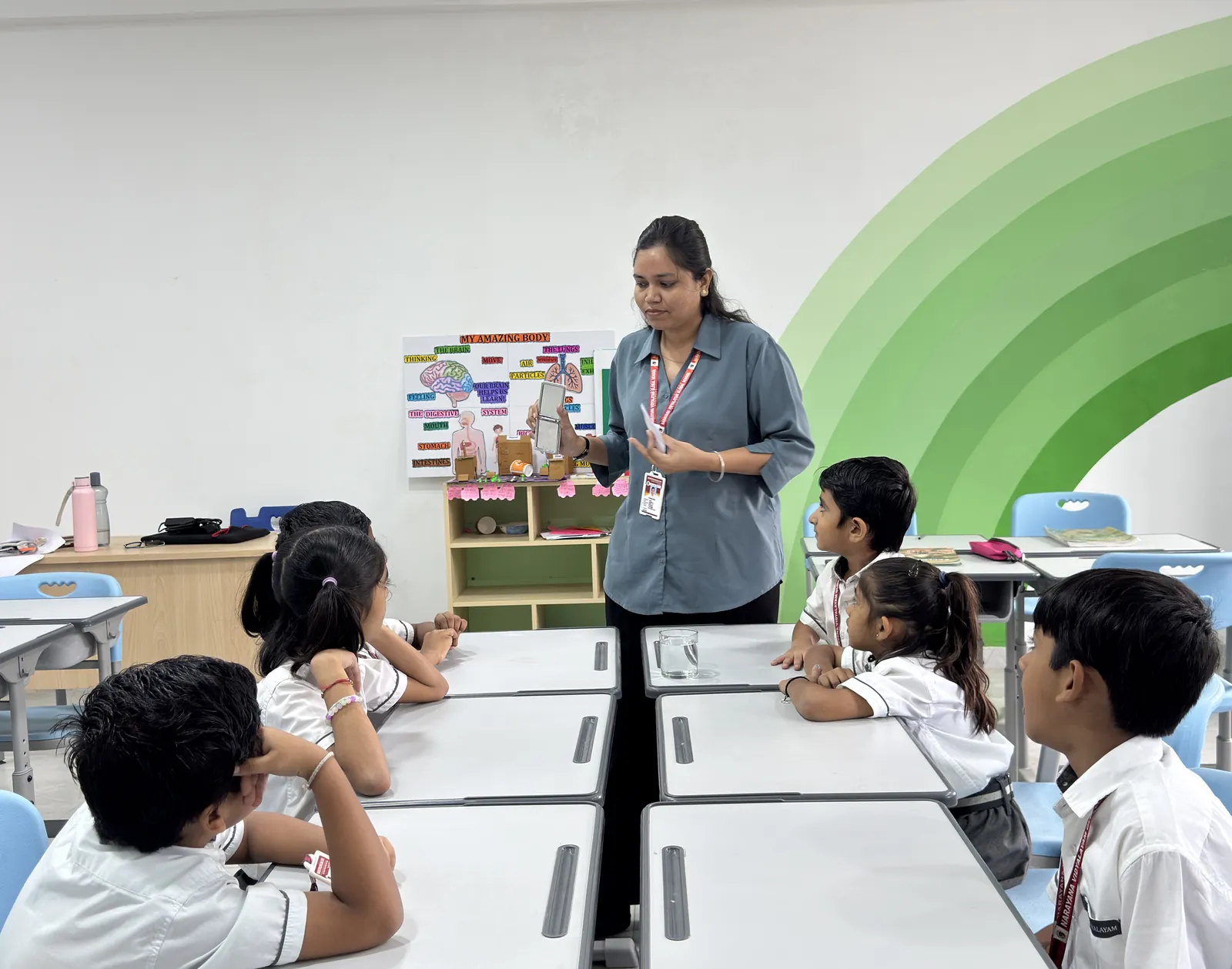
Teachers introduce new concepts through clear explanations, demonstrations and step-by-step guidance, helping students build understanding and confidence.
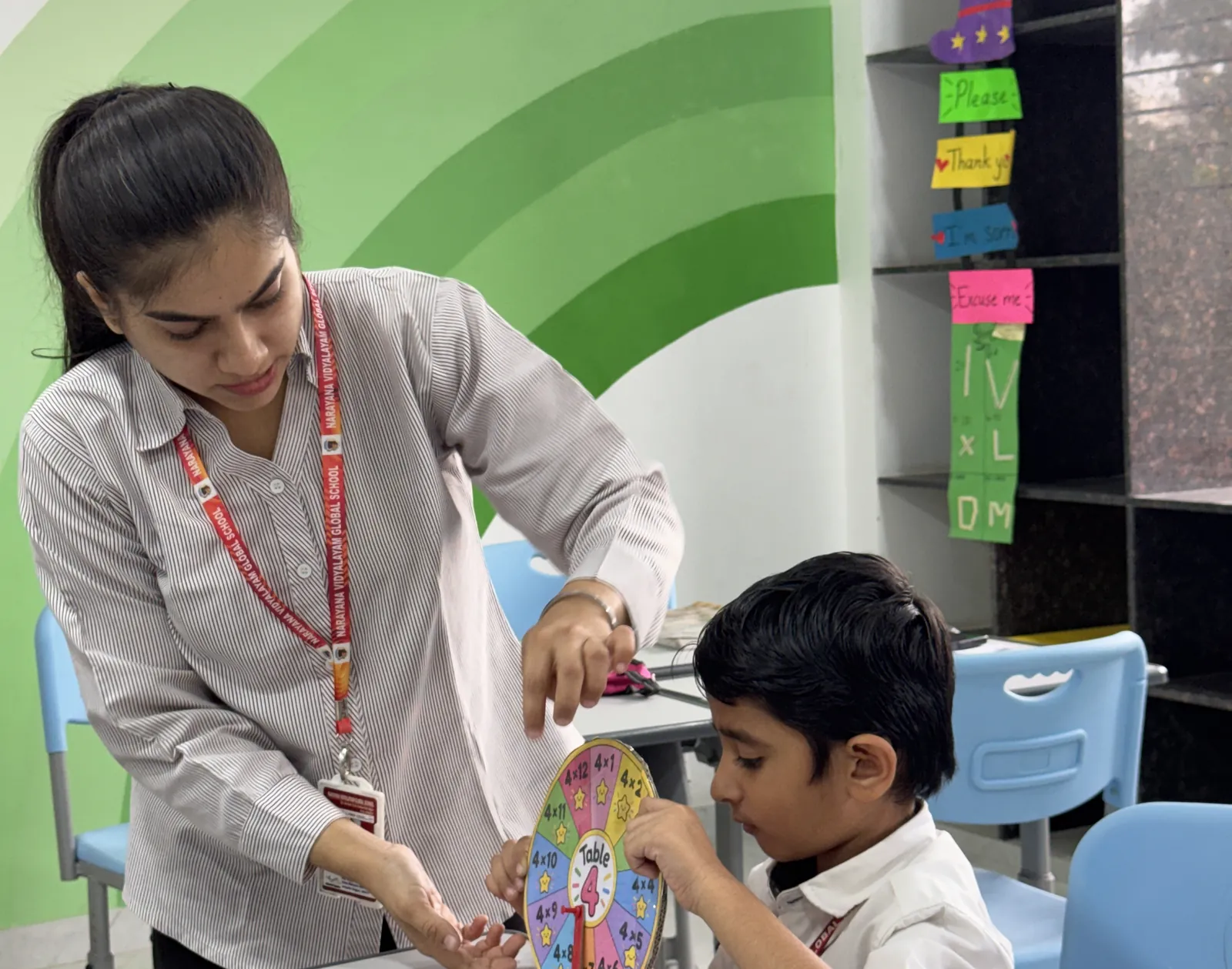
Group work and discussion
Students share ideas, ask questions and collaborate to explore concepts, solve problems and learn from one another.
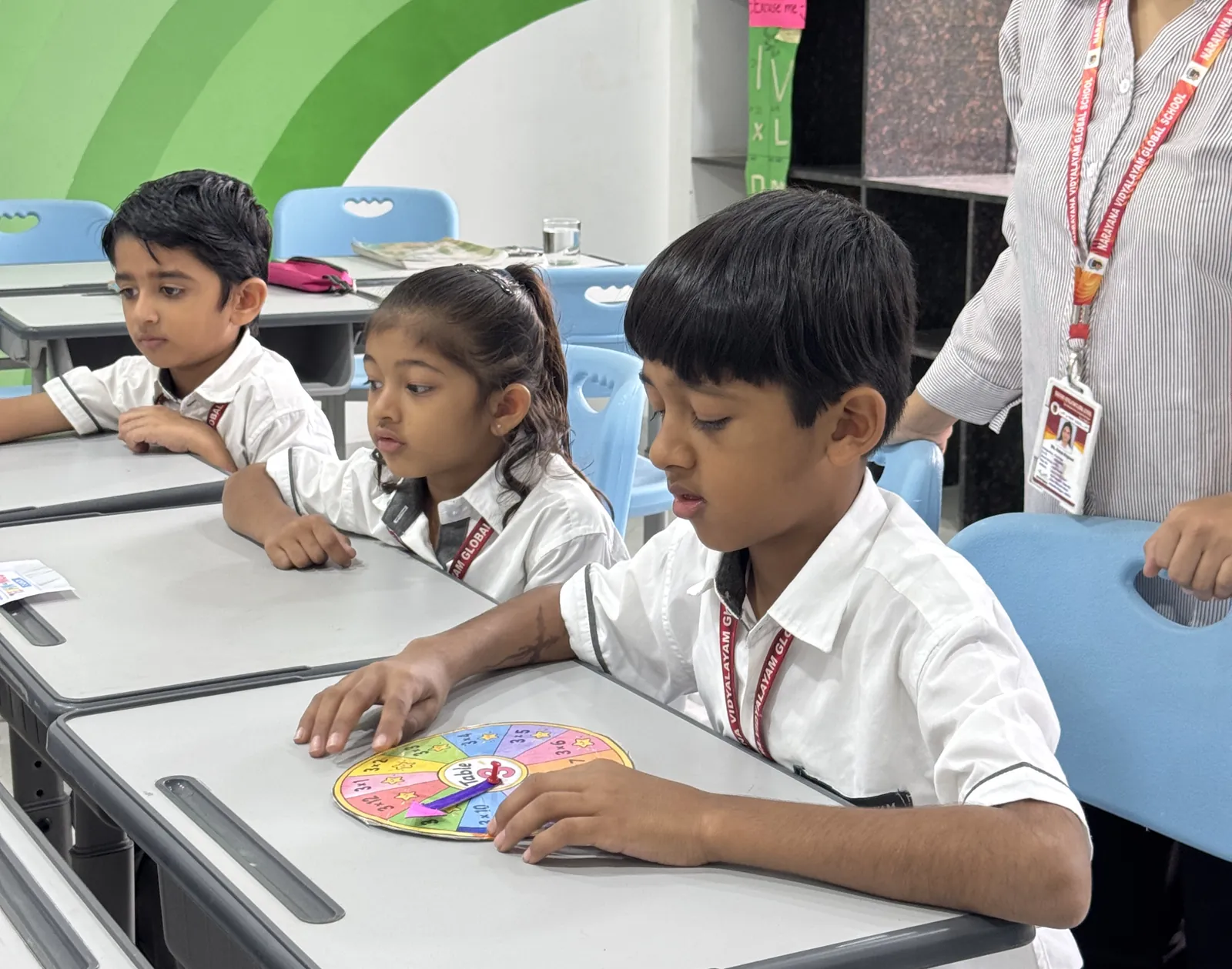
Practice and written work
Guided practice, written exercises and problem-solving tasks help students strengthen understanding, develop accuracy and build confidence.
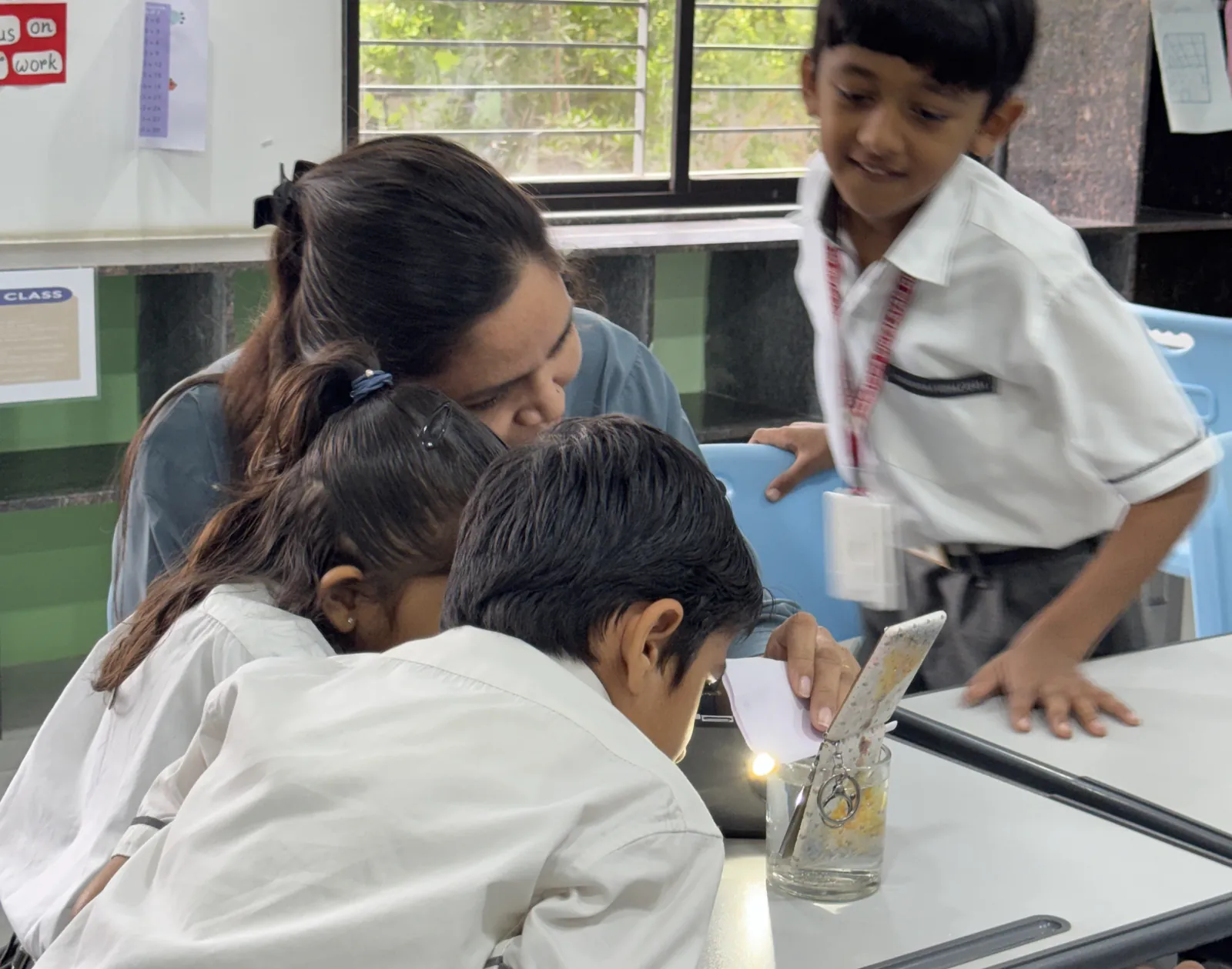
Hands-on activities
Through experiments, projects, practical tasks and learning games, students explore concepts, apply knowledge and deepen their understanding.
Building agency
Students take part in their own learning
Students are encouraged to take an active role in their learning by making choices, setting personal goals and taking responsibility for their progress. They may choose their working space, select topics or decide the order of tasks within guided learning activities.
By understanding lesson objectives and learning routines, students develop the skills and strategies needed to plan, monitor and improve their own learning.
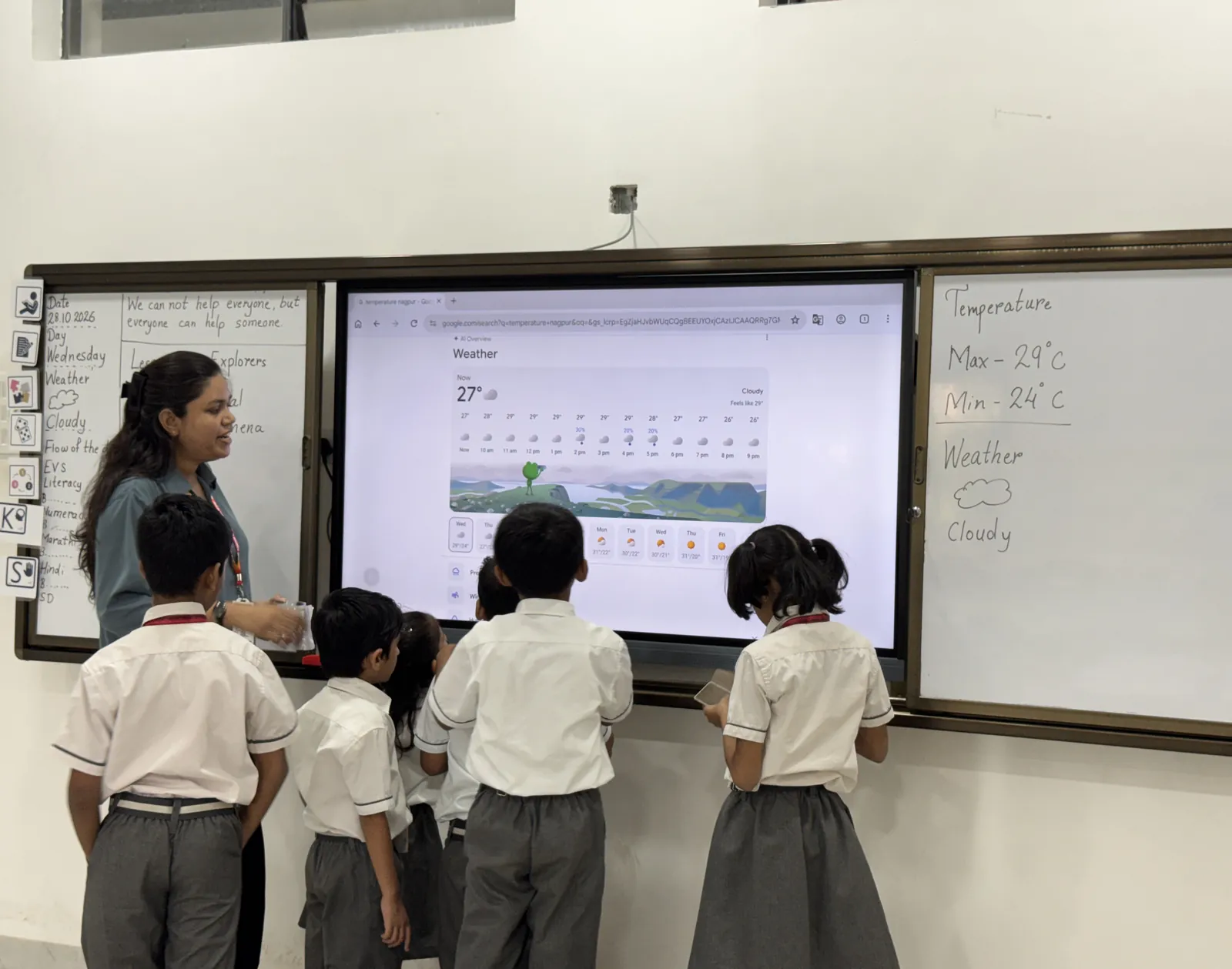
Assessment for learning and progress
Feedback that helps students improve
Assessment in the Primary Years is an ongoing process that supports learning and progress.
Assessment is not just about measuring what students know; it is about helping them understand how they can grow.
Teachers observe students’ work, participation, discussions and classroom activities, providing constructive feedback to help them improve and take their learning forward.
Students demonstrate their understanding through written work, projects, discussions, presentations and hands-on activities. These varied assessment opportunities help teachers recognise individual strengths, identify learning needs and provide appropriate support.
In the early grades, there is no examination pressure. As students progress, they gradually develop the skills and confidence to prepare for and take assessments in a supportive environment. Tests are used to understand learning gaps and guide further improvement.
Students also participate in reflecting on their progress and setting learning goals. Student–Teacher–Parent meetings and Open House events provide opportunities for children to share their achievements, present their work and discuss their learning journey with their families.
Regular breaks, a supportive classroom environment and attention to student wellbeing help children remain focused, motivated and ready to learn.
What is expected from home?
Support without pressure
Developing responsibility and independent learning habits is an important part of the Primary Years. Homework provides opportunities for students to practise, reinforce learning and gradually take ownership of their work.
Guiding support with homework
- Daily reading and reading challenges help build strong literacy habits.
- Manageable homework is assigned across other subjects.
- Parents are encouraged to guide children towards completing tasks independently, managing their time and taking responsibility for their work.
Maintaining a balanced daily routine
- Get adequate sleep.
- Eat regular, nutritious meals.
- Stay physically active.
- Make time for rest and relaxation.
- Enjoy playtime and social interactions.
Supporting without pressure
- Show interest in your child’s school life.
- Talk about learning experiences and friendships.
- Appreciate effort and encourage independence.
- Allow children to make mistakes, overcome challenges and try again.
Your role is to guide, encourage and support—not to do the learning for your child.
How is Finnish-inspired Primary different?
Finnish-inspired Primary education goes beyond completing the syllabus. It focuses on developing confident, capable learners who understand how to learn, think independently and apply their knowledge.
- Learning beyond content: Equal importance is given to academic knowledge, critical thinking and essential life skills.
- Feedback that guides growth: Regular, constructive feedback helps students recognise their strengths and understand how to improve.
- Teachers as learning guides: Teachers facilitate learning by guiding, encouraging and supporting students throughout their learning journey.
- Active student participation: Students ask questions, exchange ideas, discuss, collaborate and take an active role in learning.
- Balanced school days: Learning is thoughtfully balanced with regular breaks, movement, discussions and collaborative activities.
- Wellbeing at the centre: Social-emotional development and student wellbeing are integral to the learning experience.
Your child will
- Grow in confidence and self-belief.
- Build strong academic foundations.
- Develop learning-to-learn skills and critical thinking.
- Understand emotions and develop self-regulation.
- Build resilience and learn to navigate challenges.
- Take increasing responsibility for their learning.
- Collaborate and work effectively with others.
- Respect different perspectives and cultures.
- Experience learning as meaningful, purposeful and engaging.
Misconceptions and FAQ
Questions parents ask
Which grades does the school admit students to?
Admissions are open from Nursery to Grade VI.
Is there homework in primary grades?
Yes. Homework is simple, useful and manageable. It helps children practise and revise what they learn in school and gradually become more responsible for their work.
We also believe that children need enough time to rest, play and spend time with their families. A healthy balance between studies and free time is important for their happiness and overall growth.
Are there exams in primary?
In the early grades, children do not have formal exams. Their learning is assessed through classroom activities, written work and regular teacher observations.
As children move to higher grades, they are gradually introduced to tests and learn how to prepare for them in a supportive environment, without unnecessary pressure.
What is the Finnish way of teaching?
Finnish-inspired teaching makes children active participants in learning, encouraging them to think, explore, ask questions and discover new ideas.
There is no single fixed way of teaching. Teachers use different methods based on the needs of their students. Children learn through discussions, hands-on activities, practice and meaningful experiences.
Along with subject knowledge, they develop important life skills such as teamwork, communication, problem-solving and learning independently.
Is Finnish-inspired education only about fun and projects?
Not at all! Finnish-inspired education is about meaningful learning, not just fun activities.
Children learn through carefully planned lessons that help them understand concepts, practise skills and connect what they learn to everyday life.
Teachers use a mix of hands-on activities, discussions, projects, practice and classroom teaching. Every activity has a purpose and helps children learn and grow.
Apply for Admission · Nursery to Grade VI
Give your child a joyful beginning in a learning environment where curiosity is encouraged, confidence grows and every day brings new discoveries.